Elbert County
Land and acreage in Elbert County
Elbert County is where a lot of Front Range buyers find the acreage they were looking for. It is also where the difference between a parcel that is buildable and a parcel that is merely for sale is largest, and least visible from the road.
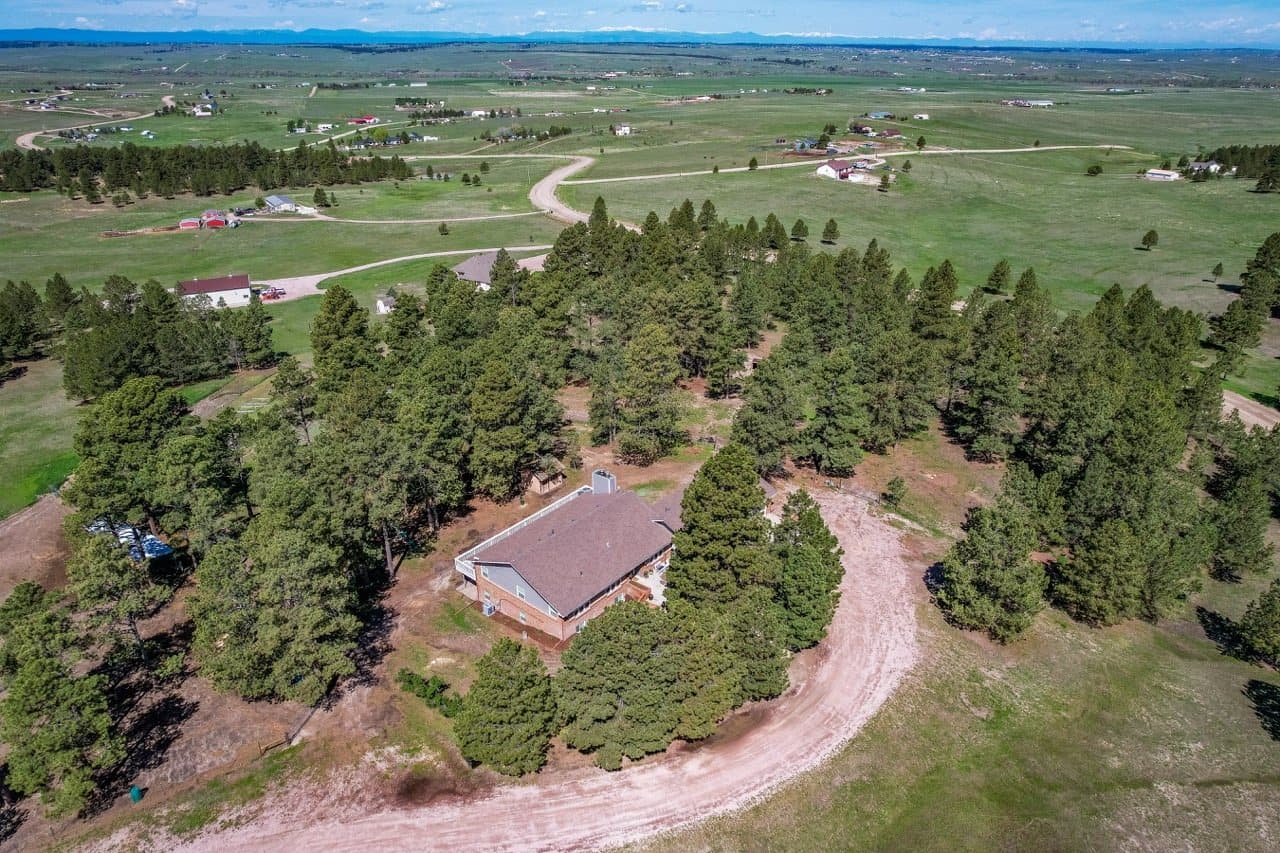
Community and Development Services is the office to call
Outside the towns of Elizabeth, Kiowa and Simla, Elbert County is the local government, and its Community and Development Services department handles zoning, land use and building permits. A parcel smaller than 35 acres goes through the county’s subdivision review, which is why so much land here was divided at exactly that size.
Most new construction, remodels and repairs need a building permit. Barns and garages go through the county’s accessory structure checklist, and the only exemption is for a one-story, non-commercial detached building of 200 square feet or less with no utilities. A shop or barn you plan to put up is a permit conversation, and so is one already standing that has no permit on file.
If the parcel is near Elizabeth, the Elizabeth area guide covers what changes once you are inside the town limits, where the town supplies water and sewer.
Elbert County zone districts and their lot minimums
The county’s Zoning Regulations (Amendment 5, Article IV) sort rural land into an agricultural context and a residential agriculture context. In the first, the A district has a 35 acre minimum lot size, A-2 has 20 acres and AR has 10. In the second, RA has 10 acres, RA-1 has 5 and RA-2 has 2.5.
You may still see A-1 on an older document. It was merged into the A district in 2011 and the county no longer rezones land to it. Minimum lot widths run from 500 feet in A down to 100 feet in RA-2, and buildings in all of these districts are limited to 35 feet.
The district on a parcel decides what can be built and how the land can be divided later. Ask Community and Development Services to confirm it in writing rather than relying on the listing.
Denver Basin wells and the county’s 300-year rule
Well permits in Elbert County are issued by the State of Colorado, not the county. On a parcel under 35 acres outside a cluster development, the standard exempt permit allows household use inside one home and no outdoor use at all. The well permit guide explains how to pull and read the permit on a specific well.
Where a well draws from the Denver Basin aquifers, which the state describes as not renewable, the county’s 2024 Water Master Plan applies a 300-year rule to that groundwater, and notes that on the Upper Dawson aquifer a new well needs an augmentation plan unless the lot existed before 1972 or is larger than 35 acres. On bare land that can decide whether a well is available at all.
Since 2015 the county has run a well monitoring program with the U.S. Geological Survey, tracking Denver Basin water levels. Its page is worth reading if the parcel will depend on a well.
Septic permits from Elbert County Public Health
Septic systems are permitted by Elbert County Public Health, under a county regulation that incorporates the state’s Regulation 43. An application for a new system includes the system design, soils information, test pit logs and a site plan, and a Colorado licensed engineer has to design it where, for example, a limiting layer or bedrock sits within four feet of the surface, the slope exceeds 20 percent, or the system uses pressure distribution.
A new septic permit expires after a year if construction has not started, which matters if you are buying land to build on later.
On a parcel that already has a house, the county requires an inspection less than twelve months old and a Use Permit when ownership changes. The septic Use Permit guide covers that process and what happens when a system needs repairs.
Access permits, county roads and wildfire
Elbert County maintains about 1,100 miles of gravel road and 380 miles of asphalt, and its snow removal covers accepted county roads. A private road is somebody else’s to maintain. Road and Bridge issues residential access permits and private road permits, and an access built in the public right-of-way without a permit is subject to a stop work order. The guide to rural access and easements covers recorded easements and maintenance agreements.
The county’s emergency management office publishes wildfire preparedness guidance, including the state’s Home Ignition Zone guide, which works outward from the house in three zones: 0 to 5 feet, 5 to 30 feet and 30 to 100 feet. Burn restrictions are posted on the county’s burn restriction page. Get an insurance quote early rather than at closing.
The Elbert County market right now
Live figures from the MLS, not an estimate. They move as listings do.
Land for sale in Elbert County
Bare parcels of 5 acres or more. The zone district decides what each can become: RA-1 lots start at 5 acres, A-2 at 20 and A at 35.
Parcels of 35 acres and up in Elbert County
Parcels of 35 acres and up. Below that size Elbert County requires subdivision review, and the standard exempt well permit allows household use inside one home only.
Homes on acreage in Elbert County
Built properties on 5 acres or more, where the well and septic already exist and the septic Use Permit comes due at sale.
Common questions
What is the minimum lot size in Elbert County’s rural zone districts?
Under the Elbert County Zoning Regulations, the A (Agriculture) district has a 35 acre minimum, A-2 has 20 acres and AR has 10. The residential agriculture districts are RA at 10 acres, RA-1 at 5 and RA-2 at 2.5. Confirm the district on a specific parcel with Community and Development Services.
Do I need a building permit for a barn in Elbert County?
Generally yes. Elbert County says most new construction needs a permit, and barns go through its accessory structure checklist. The exemption covers only one-story, non-commercial detached buildings of 200 square feet or less with no utilities.
Can I drill a well on land I buy in Elbert County?
Well permits come from the State of Colorado, not the county. Under 35 acres the standard exempt permit allows household use inside one home only. The county’s Water Master Plan also notes that a new Upper Dawson well needs an augmentation plan unless the lot existed before 1972 or is larger than 35 acres.
Does Elbert County require a septic permit when land with a house is sold?
Yes. Elbert County Public Health requires a Use Permit when ownership changes, based on an inspection less than twelve months old. Book the inspection early, because the county can take up to two weeks to issue the permit.
Sources
The guidance above is checked against these, last reviewed September 19, 2026. Rules are applied parcel by parcel, so confirm a specific property with the office named.
- Elbert County Community and Development Services
That the department handles zoning, land use and building permits in unincorporated Elbert County, and that parcels under 35 acres go through subdivision review.
- Elbert County Building, Permits
That most new construction needs a building permit, and that barns go through the county’s accessory structure checklist.
- Elbert County Building, Frequently Asked Questions
That the permit exemption covers only one-story, non-commercial detached accessory structures of 200 square feet or less with no utilities.
- Elbert County Zoning Regulations, Amendment 5, Article IV: Zone Districts
The A, A-2 and AR agricultural districts and the RA, RA-1 and RA-2 residential agriculture districts with their minimum lot sizes, and that A-1 was merged into A in 2011.
- Elbert County Zoning Regulations, Amendment 5, Article VI: Dimensional Standards
Minimum lot widths by district, and the 35 foot height limit.
- Elbert County Public Health, Well Water Testing and Permitting
That well permits are issued by the State of Colorado, not the county.
- Colorado DWR Guideline 2023-1: Uses of Water From Exempt and Small Capacity Wells
The household-use-only limit on an exempt well under 35 acres outside a cluster development, as this page applies it to Elbert County parcels.
- Colorado Division of Water Resources, Denver Basin
That Denver Basin groundwater is not renewable, the background to the county’s 300-year rule.
- Elbert County Water Master Plan (2024)
The county’s 300-year rule for Denver Basin groundwater, and that new Upper Dawson wells need an augmentation plan unless the lot existed before 1972 or is larger than 35 acres.
- Elbert County Water Well Monitoring Program
That the county has monitored Denver Basin wells with the U.S. Geological Survey since 2015.
- Elbert County Public Health, General OWTS FAQs
What a new septic application must include, when a Colorado licensed engineer must design the system, and that horses and livestock should not be kept on the soil treatment area.
- Elbert County OWTS Regulation 2026
That the regulation incorporates the state’s Regulation 43, that a new septic permit expires after a year if construction has not started, and that a Use Permit is required on a change of ownership, with an inspection less than twelve months old and up to two weeks for the county to issue it.
- Elbert County Road and Bridge
That the county maintains about 1,100 miles of gravel road and 380 miles of asphalt.
- Elbert County Snow Removal Policy
That county snow and ice control covers accepted county roads.
- Elbert County Road and Bridge Permits
That Road and Bridge issues residential access permits and private road permits.
- Elbert County Construction Standards, Section 1100: Access Requirements and Criteria
That an access built in the public right-of-way without a county access permit is subject to a stop work order.
- Elbert County Emergency Management, Wildfire
The county’s wildfire preparedness guidance, including planning to evacuate pets and livestock, and its link to the state’s Home Ignition Zone guide.
- Colorado State Forest Service, The Home Ignition Zone (hosted by Elbert County)
The three defensible space zones, from 0 to 5 feet, 5 to 30 feet and 30 to 100 feet from the house.
- Elbert County Burn Restriction Information
Where the county posts its current burn restrictions.
From the blog
Looking in Elbert County?
Ask Belinda about a specific parcel in Elbert County: the well permit, legal access from the road, and what the zoning lets you build.