Douglas County
Horse properties in Douglas County
Douglas County covers a lot of ground, from covenanted acreage communities to genuinely rural parcels. The difference between those two matters more here than almost anywhere on the Front Range, because the covenants vary so widely.
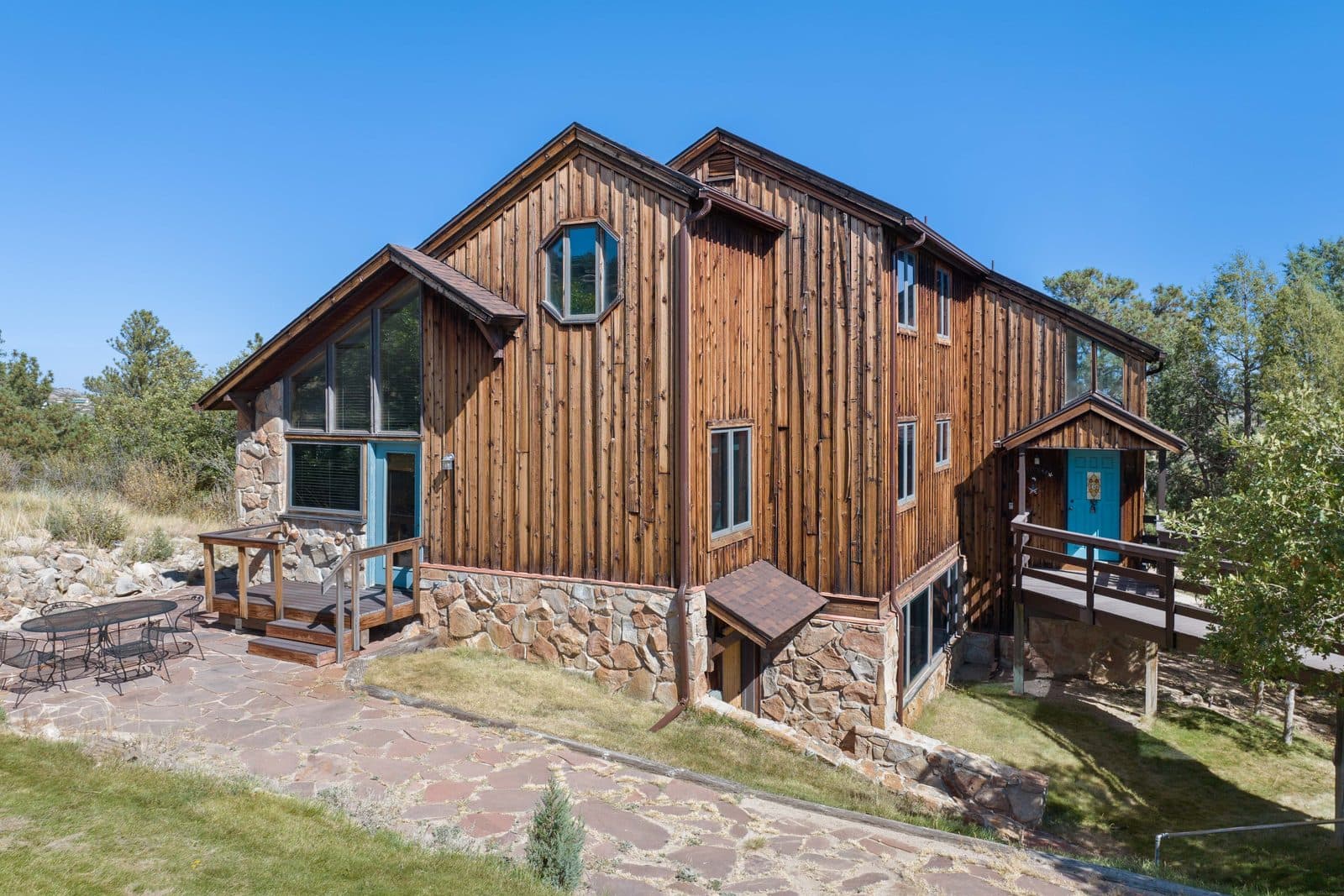
Section 24 of the Zoning Resolution counts animal units
Douglas County sets livestock limits in Section 24 (Animals) of its Zoning Resolution, and it counts in animal units. A horse, mule, cow or llama is one unit. Four miniature horses, swine, sheep, goats or alpacas together make one unit. Young animals under six months old do not count.
So a mixed household of two horses and four goats is three units, and that is the number to hold against the limit for the parcel’s district.
The limit depends on the zone district
In the ER Estate Residential and RR Rural Residential districts the maximum is one animal unit per half acre, and boarded horses count toward it: one boarded horse is allowed in ER and two in RR.
On LRR Large Rural Residential lots, and on nonconforming A-1 lots of 9 to 34.99 acres, livestock owned by the landowner or lessee is not limited. Two boarded horses are allowed by right and three to eight through administrative review.
In A-1 Agricultural One, owned livestock is also unlimited, and the boarded-horse allowance grows with the lot: four on 35 acres or more (more through administrative review), twelve on 80 acres or more with 200 foot setbacks, and no limit on 160 acres or more with 500 foot setbacks. Confirm the current Section 24 text with Planning Services, since the Resolution is amended from time to time.
Water: which aquifer, and what the permit allows
Whether a Douglas County well can water horses is decided by the state permit, not the zoning. On a parcel under 35 acres outside a cluster development, the standard exempt permit allows household use inside one home and no outdoor use. The well permit guide shows how to check a specific permit.
Where the water comes from varies too. Domestic wells commonly tap the Dawson, the shallowest Denver Basin aquifer, which the state describes as not renewable. The county notes that about a third of its area, the Pike and Rampart country in the west and southwest, relies instead on fractured granite aquifers recharged only by precipitation.
Keep the horses off the septic field
The Douglas County Health Department’s septic guidance says horses and other livestock should not be placed on the soil treatment area. On a smaller horse property the leach field and the turnout often compete for the same flat ground, so find out where the field is.
If the property is on septic, the health department also requires a Use Permit, based on an inspection by an independent certified inspector, when it sells. The seller obtains it.
Barns, covenants and wildfire
Building permits in unincorporated Douglas County come from the Building Division, so a barn, arena cover or loafing shed is a question for that office, and an existing one is worth checking against its records. Covenants can then restrict what the county allows: some prohibit boarding, cap numbers or govern outbuildings.
Parts of the county sit in the Zoning Resolution’s Wildfire Hazard Overlay District, and the Building Division publishes defensible space guidance. Hay stored against a barn is a fire question your insurer will ask about.
The Douglas County market right now
Live figures from the MLS, not an estimate. They move as listings do.
Five acres and up in Douglas County
Active listings on 5 acres or more in Douglas County. The zone district sets the animal-unit limit under Section 24, and covenants can be stricter.
Common questions
How many horses can I keep in Douglas County, Colorado?
It depends on the zone district. Section 24 of the Zoning Resolution allows one animal unit per half acre in ER and RR, where one horse is one unit. On LRR lots and in A-1, livestock owned by the landowner or lessee is not limited. Covenants can be stricter than any of these.
Can I board other people’s horses in Douglas County?
Within limits set by district. ER allows one boarded horse and RR two, counted within the animal unit limit. LRR allows two by right and three to eight through administrative review. In A-1 the allowance rises with lot size, from four on 35 acres.
How does Douglas County count miniature horses and goats?
Four miniature horses, swine, sheep, goats or alpacas count as one animal unit under Section 24 of the Zoning Resolution. A full-size horse, mule, cow or llama is one unit, and animals under six months old do not count.
Can horses graze over a septic leach field?
The Douglas County Health Department advises against it: horses and other livestock should not be placed on the soil treatment area of a septic system. Find the field before planning turnout.
Sources
The guidance above is checked against these, last reviewed September 19, 2026. Rules are applied parcel by parcel, so confirm a specific property with the office named.
- Douglas County Zoning Resolution, Section 24: Animals
How animal units are counted; the one animal unit per half acre limit in ER and RR, with one boarded horse allowed in ER and two in RR, both counted within that limit (Sections 2406 and 2407); and the owned-livestock and boarded-horse rules in LRR and A-1 (Sections 2408 and 2409).
- Douglas County Zoning Resolution (index of sections)
The A-1, LRR, RR and ER zone districts, the Cluster 35 plan, the Wildfire Hazard and Water Supply overlay districts, and that the Zoning Resolution is published on eCode360. The LRR and RR density figures are from the section PDFs it links.
- Douglas County, Planning Services
That the Planning Services Division of Community Development runs the county’s land use planning.
- Colorado DWR Guideline 2023-1: Uses of Water From Exempt and Small Capacity Wells
The no-outdoor-use limit on an exempt well under 35 acres, which decides whether a Douglas County well can water horses.
- Colorado Division of Water Resources, Denver Basin
That the Dawson is one of the four Denver Basin aquifers, which the state describes as not renewable.
- Douglas County, Denver Basin Aquifer Info
That the Dawson aquifer is commonly tapped by domestic wells, and that about a third of the county, in the west and southwest, relies instead on fractured granite aquifers recharged only by precipitation.
- Douglas County Health Department, Septic System FAQs
What a new septic application includes, when a Colorado licensed professional engineer must design the system, that there is no county minimum lot size for a septic system, that the seller obtains the Use Permit, and that livestock should not be kept on the soil treatment area.
- Douglas County Health Department, Use Permits
That a sale or change of ownership requires a septic Use Permit based on an inspection by an independent certified inspector, a requirement in place since July 1, 2011.
- Douglas County Building Division, Permits
That the Building Division issues building permits for unincorporated Douglas County.
- Douglas County Building Division, Protect Your Home (Defensible Space)
The county’s defensible space guidance for homeowners.
From the blog
Buying or selling horse property more broadly? See Colorado Horse Country, Belinda’s horse property hub for Elbert and Douglas counties.
Looking in Douglas County?
Ask Belinda about a specific horse property in Douglas County: what the well permit allows, how many animal units the zoning permits, and whether that barn was ever permitted.